Table of contents
When it comes to workplace safety, being ready for unexpected situations is vital. Organizing efficient emergency fire drills ensures everyone knows exactly what to do when every second counts. Dive into the following sections to learn specific steps and expert strategies that will make your team truly prepared for any fire emergency.
Understanding fire drill objectives
Establishing clear fire drill objectives is a foundation for improving workplace safety and fostering a proactive culture of emergency preparedness. When fire drill objectives are well-defined, they guide the entire safety training process, helping teams focus on practical skills, such as following the evacuation plan and responding quickly to alarms. These objectives not only clarify what employees are expected to learn and practice but also drive engagement by making the purpose of the drill transparent. In addition, well-communicated objectives ensure that the organization meets compliance requirements set out by safety regulations, reducing the risk of penalties and enhancing overall protection for staff and visitors. The safety manager plays a pivotal role in this process, as their leadership ensures that objectives are aligned with company policy and that every team member understands their responsibilities. By prioritizing clear objectives, organizations lay the groundwork for effective drills that enhance readiness, boost awareness, and reinforce a commitment to workplace safety.
Planning the emergency scenario
Effective fire drill planning starts with developing realistic emergency scenario outlines that reflect a range of plausible risks within the actual working environment. The safety manager leads this process, carefully considering previous incidents, facility layouts, and the unique attributes of the workplace. By rotating through diverse scenarios, from blocked exits to electrical fires, teams are exposed to a variety of challenges that support comprehensive hazard identification and reveal potential weaknesses in the evacuation plan. Scenario planning not only addresses specific facility safety requirements but also helps refine team response by simulating time-sensitive decisions and testing communication strategies. As each emergency scenario is mapped out, the goal remains clear: to ensure every drill meaningfully evaluates readiness and increases the overall safety culture. For more information on specialized drills and safety solutions, visit casinos not on GamStop.
Training and briefing your team
Effective fire drill training requires comprehensive preparation, starting with a detailed team briefing led by the safety manager, who is best positioned to deliver workplace instructions and clarify emergency roles. Using clear communication techniques, the safety manager should outline the evacuation plan, demonstrate critical procedures, and ensure that each employee understands their specific responsibilities as well as the designated assembly point. Demonstrations and practical walk-throughs reinforce understanding and contribute to confidence building, making team members feel more prepared to act decisively in a real emergency. Providing opportunities for questions and hands-on practice further ensures consistent application of safety measures and supports a collective commitment to maintaining a safe work environment.
Executing the fire drill
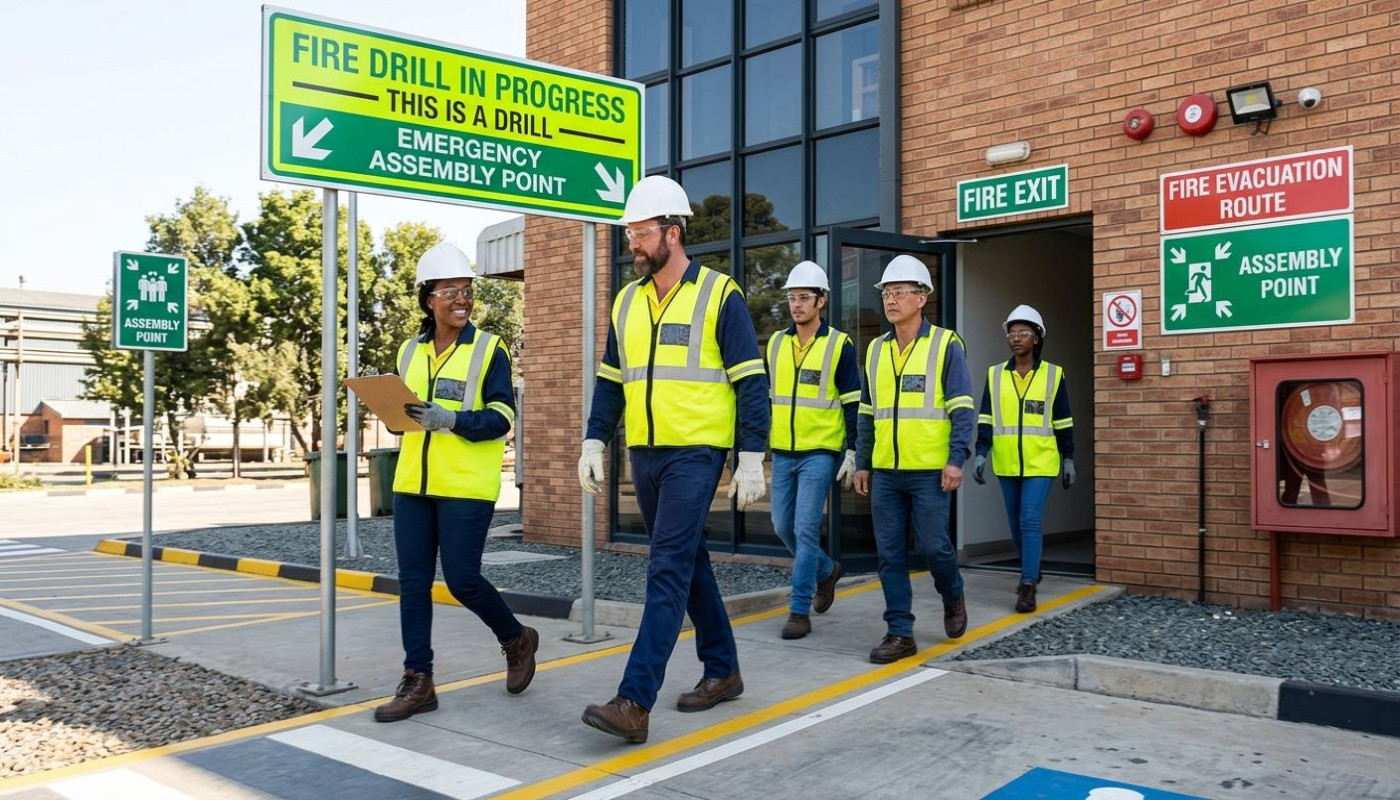
Effective fire drill execution hinges on simulating a realistic drill that challenges your team's timed response while reinforcing the evacuation plan. Begin by notifying all participants at the scheduled time without prior warning to preserve authenticity. Activate the fire alarm system and observe the immediate reactions, ensuring everyone follows established evacuation routes. As safety manager, closely monitor the flow of movement and check that no one returns for personal belongings, emphasizing strict adherence to the evacuation plan throughout the process. Assign observers at key points to record behavior and identify any bottlenecks or confusion during evacuation practice, which enhances the quality of your safety observation.
Document the time taken from alarm activation to assembly at the designated safe zone, as this metric reflects the team's readiness and the efficiency of your evacuation plan. Debrief participants directly after the drill, providing constructive feedback on strengths and areas for improvement. Reinforce the necessity of a calm, orderly response and address any deviations from the evacuation plan. This approach not only evaluates the effectiveness of fire drill execution but also cultivates a culture of preparedness, ensuring every future realistic drill becomes more efficient and ingrained in your team's safety routines.
Reviewing and improving performance
After each drill, a thorough fire drill review is vital for strengthening your organization's preparedness. The safety manager should gather the team to conduct a performance evaluation, systematically assessing how effectively everyone followed the procedures and identifying any delays or confusion during the evacuation. Collecting emergency feedback from participants uncovers practical insights about communication gaps, potential hazards, or unclear instructions. This transparent analysis enables the implementation of continuous improvement measures, such as updating signage, clarifying roles, or revising the evacuation plan as needed. By documenting lessons learned and refining strategies based on real experiences, every drill contributes to a safer, more efficient response in the event of an actual emergency.
Similar

Exploring The Impact Of Collection Mechanics In Modern Game Design

Strategies For Parents: Promoting Balanced Screen Time For Children

Transforming Everyday Outfits Into Glamorous Evening Wear

How Mobile Gaming Is Impacting Traditional Gaming Industries

Exploring The Evolution And Strategy Of Minesweeper Style Games

How To Choose A Reliable Sports Betting Platform

The Future Of Personalized Event Experiences In Technology

Understanding The Role Of Betting Brokers In Online Sports Gambling

How Online Gambling Is Becoming A New Hobby In Australia
